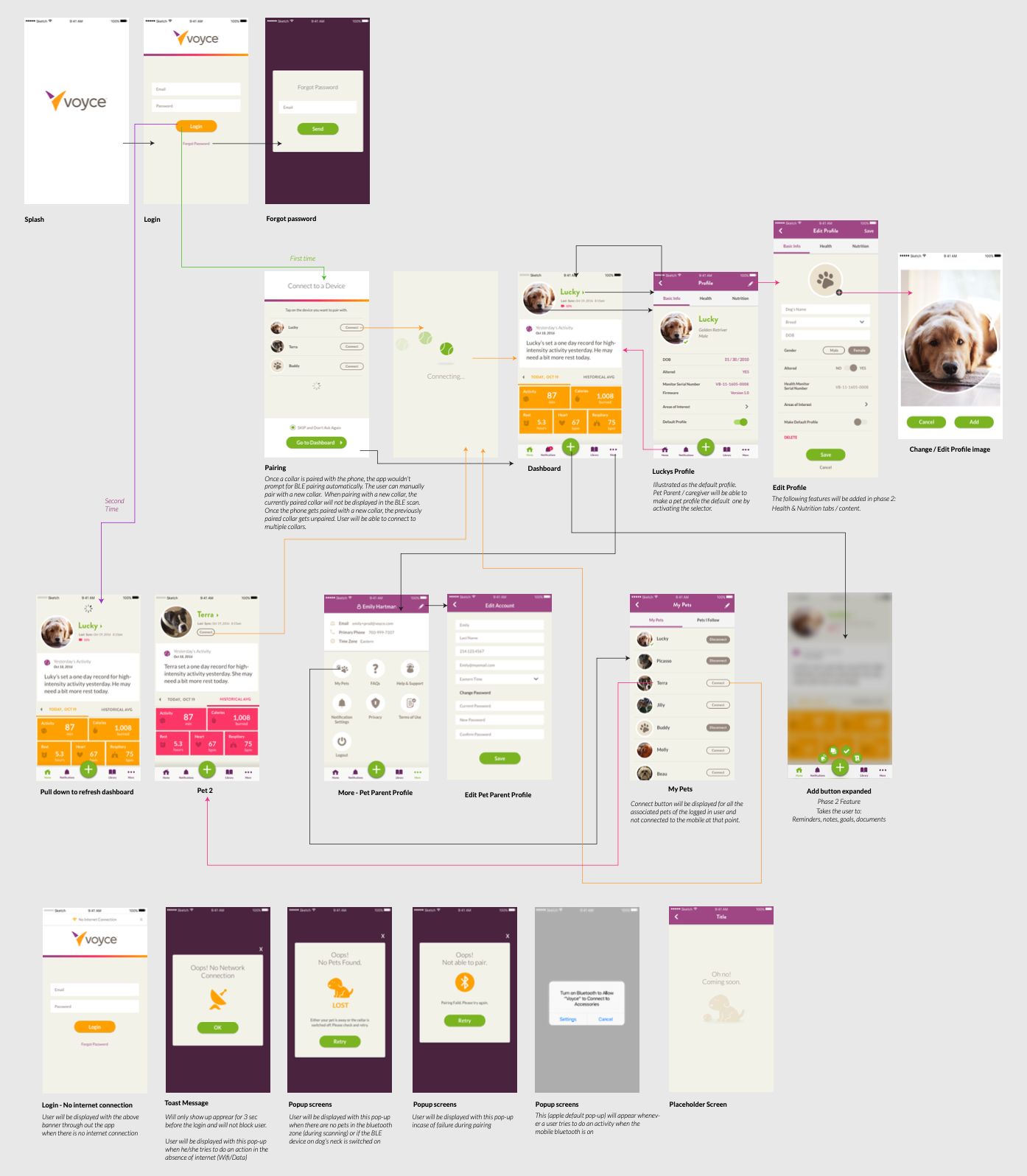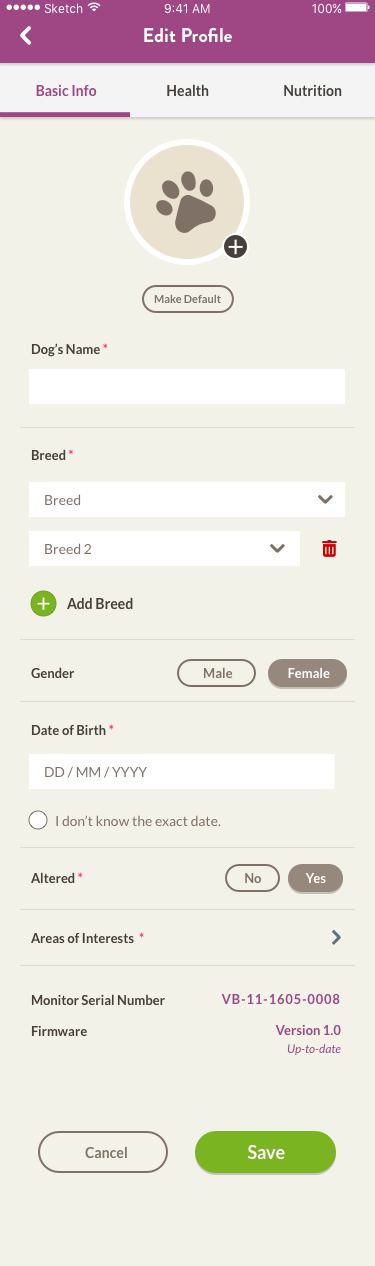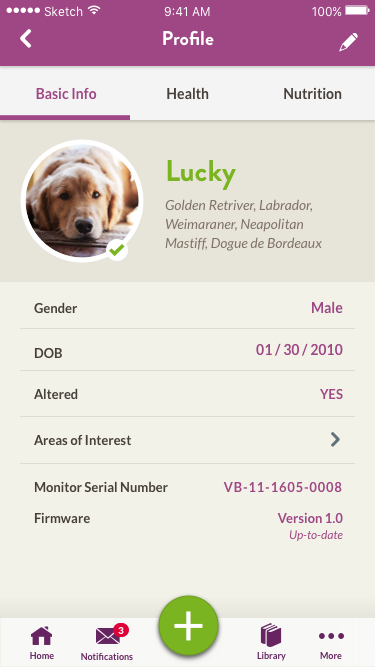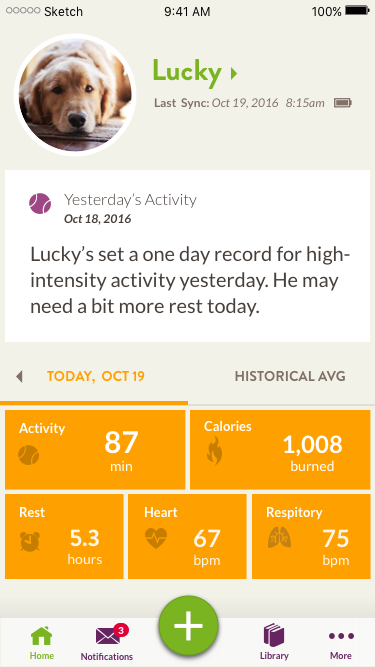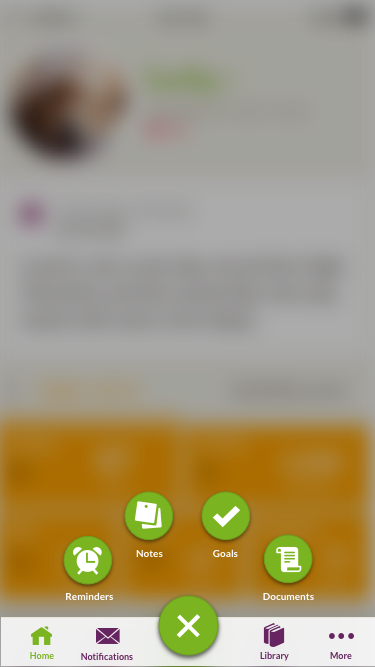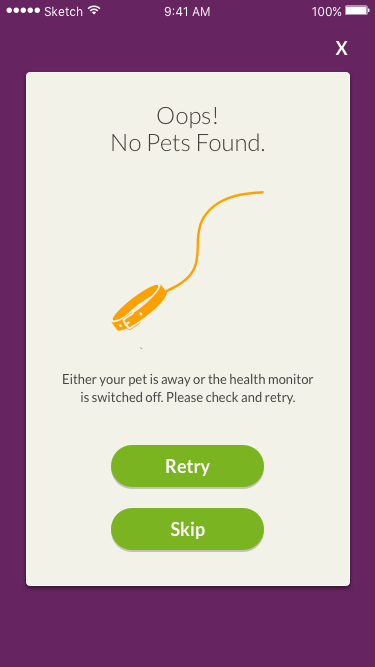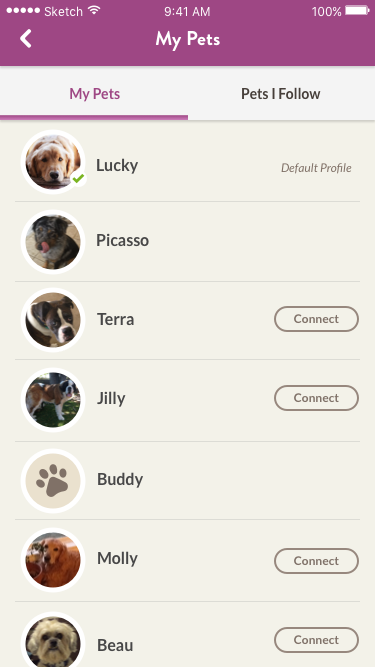
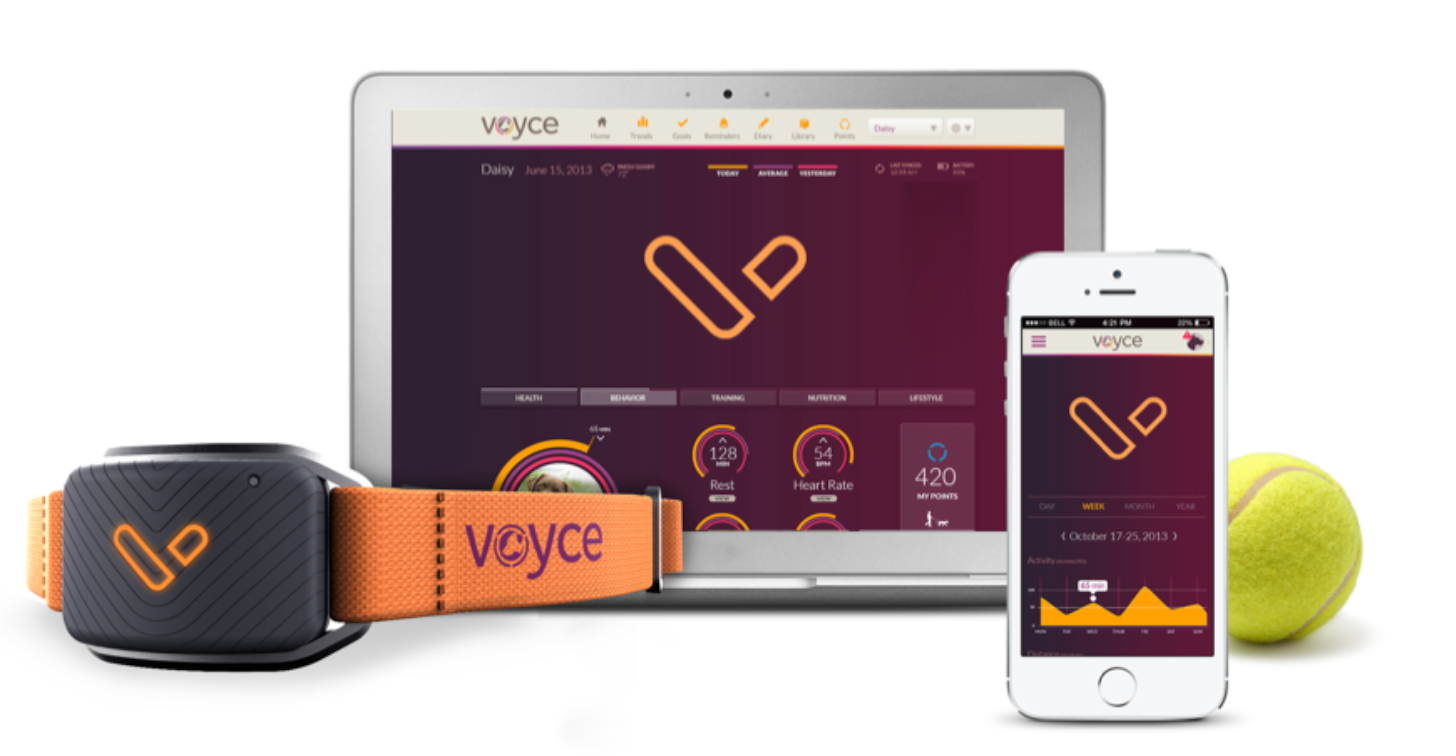
The Voyce Health and Wellness Management System replaces guesswork with scientific data that empowers owners and their veterinarians to optimize the health and happiness of their dogs. Everything from heart disease and cancer to obesity and unusual behaviors can be detected in their early stages and treated between annual veterinarian visits — and perhaps even prevented.
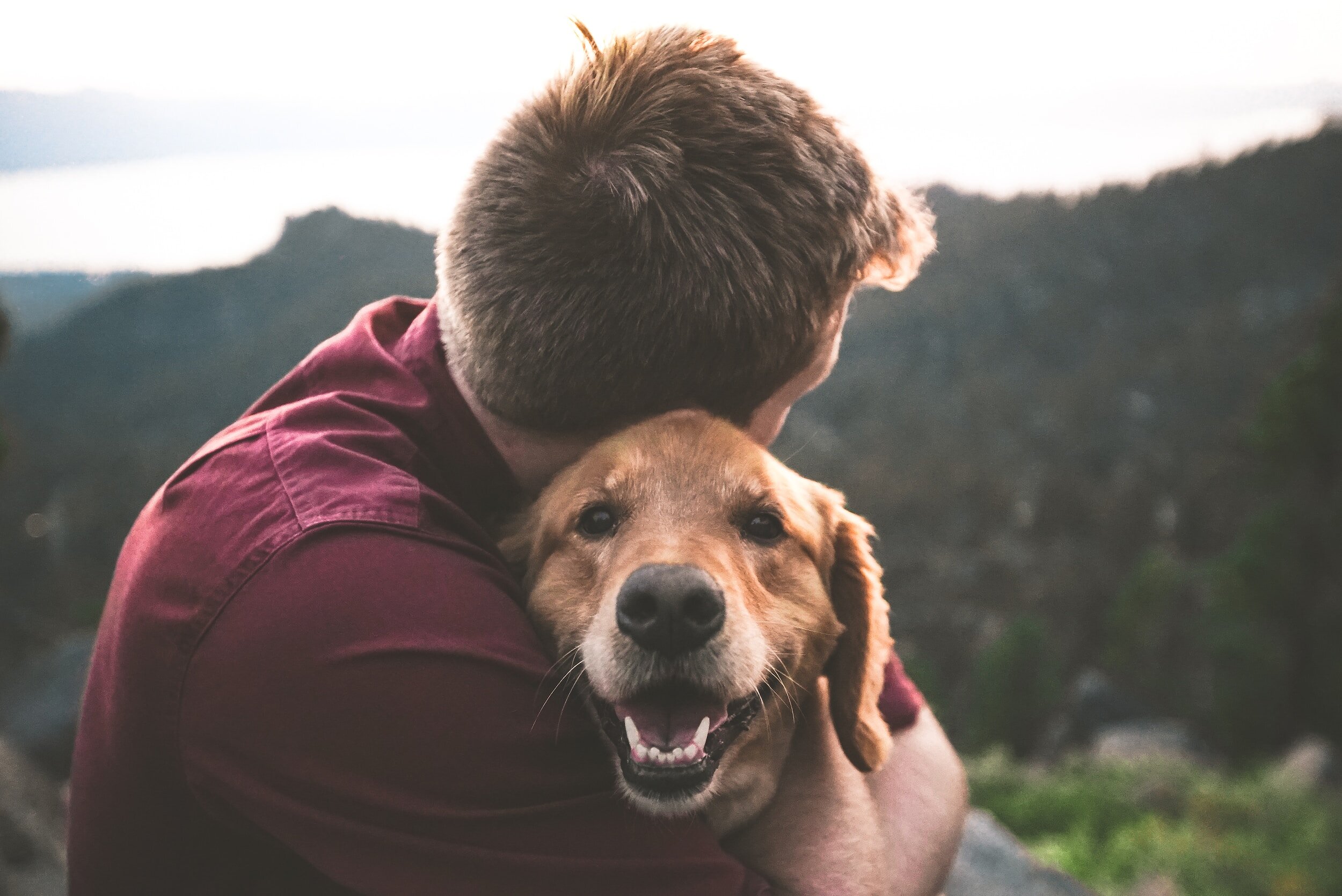
Dogs are predisposed to hide pain and illness. Voyce allows dog owners, veterinarians, and other caregivers to gain deeper insights into those family members who can’t speak for themselves. These deeper insights can lead to earlier, better, and more precise care.
Overview
As the Design Lead, my role involved defining the core MVP features with the stakeholders, creating low-fidelity wireframes, and guiding the product from concept to design handoff. The goal was to build a mobile app that provides a streamlined, user-centered experience with robust device pairing and integration. This case study walks through the project phases, from gathering initial requirements to completing the final visual design.
Engagement Kickoff
Discovery Phase
Understanding Business Goals, Customer, and Market
We conducted in-depth discussions to clarify business objectives and explored target user personas and market needs. This phase helped us ground the design in the company’s strategic vision while tailoring features to address user pain points and preferences.
Defining Success Metrics
We defined metrics focused on user engagement, ease of onboarding, and app usage to provide measurable outcomes for a successful launch.
Envisioning the Future and Prioritizing Opportunities
We identified key opportunities for improvement and growth, aligning with the product vision. We prioritized these opportunities' minimum viable product (MVP) features to ensure a timely launch while establishing a foundation for future scalability.
We began the engagement with a three-day workshop focused on aligning objectives, understanding risks, establishing initial workflows, and building stakeholder partnerships. The kickoff set the foundation for collaborative design and development.
Objectives Alignment: With stakeholders, we set clear goals for a seamless user experience and identified the project’s critical success metrics.
Risk Assessment: We anticipated challenges by evaluating technical and design risks upfront, particularly regarding device integration.
Planning & Initial Ways of Working: We established a collaborative process for communication and reviews, ensuring alignment across product, design, and engineering teams.
Workshop Summary
Day 1: Product and User Understanding
We started by exploring the product’s purpose and the different user types. By focusing on tailoring the experience to users' needs, we identified the features that would deliver the most impact.
Day 2: Technical Alignment
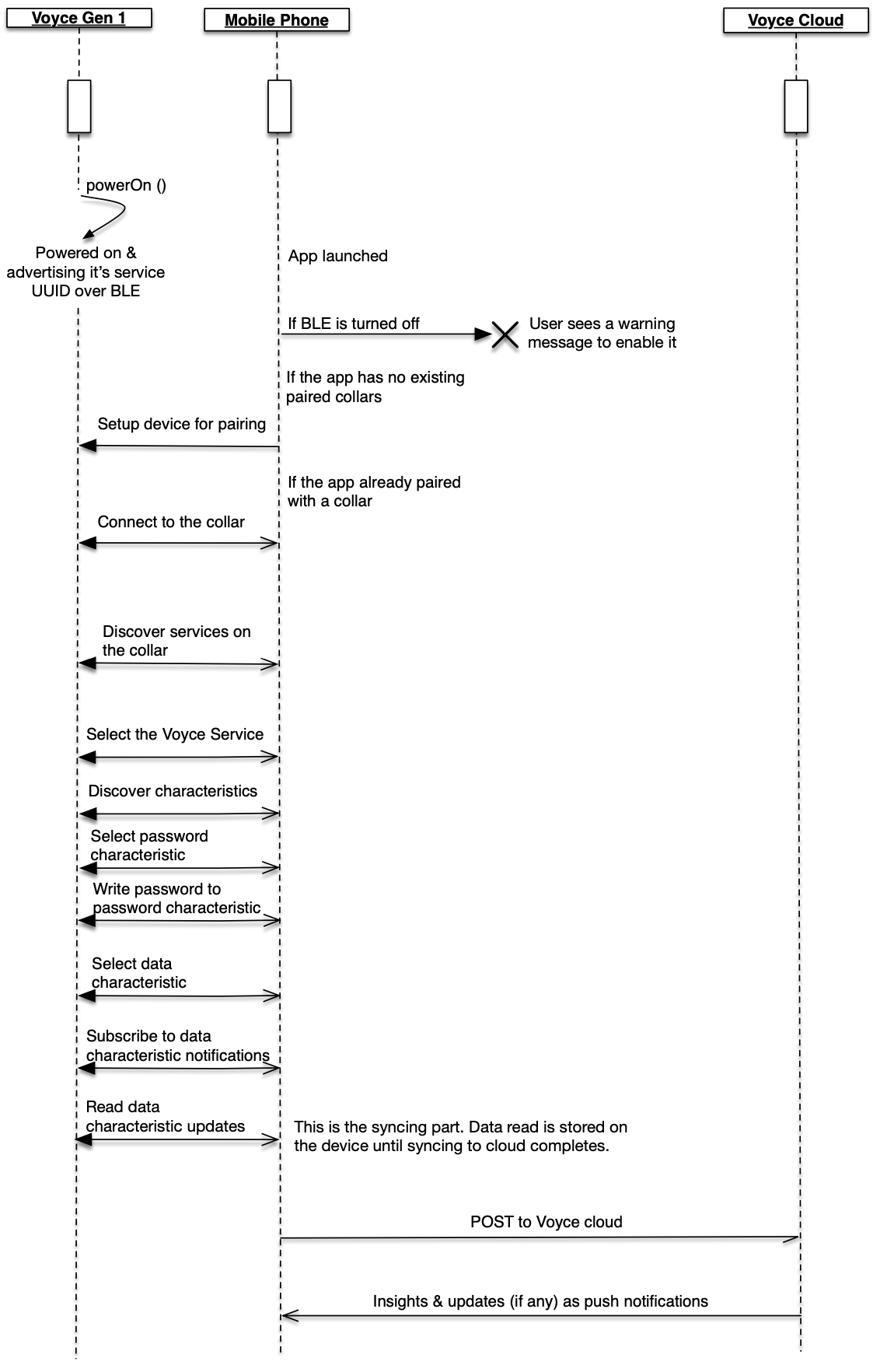
Collaborating with engineers to address the app’s pairing requirements, risks, and limitations. This session was crucial for defining the hardware-app integration and assessing the need for personalized content.
Day 3: MVP and Roadmap
We scoped out the MVP on the final day, established key functionalities, and created a roadmap for upcoming development phases. This included setting milestones and identifying dependencies to ensure efficient development.
Design Process
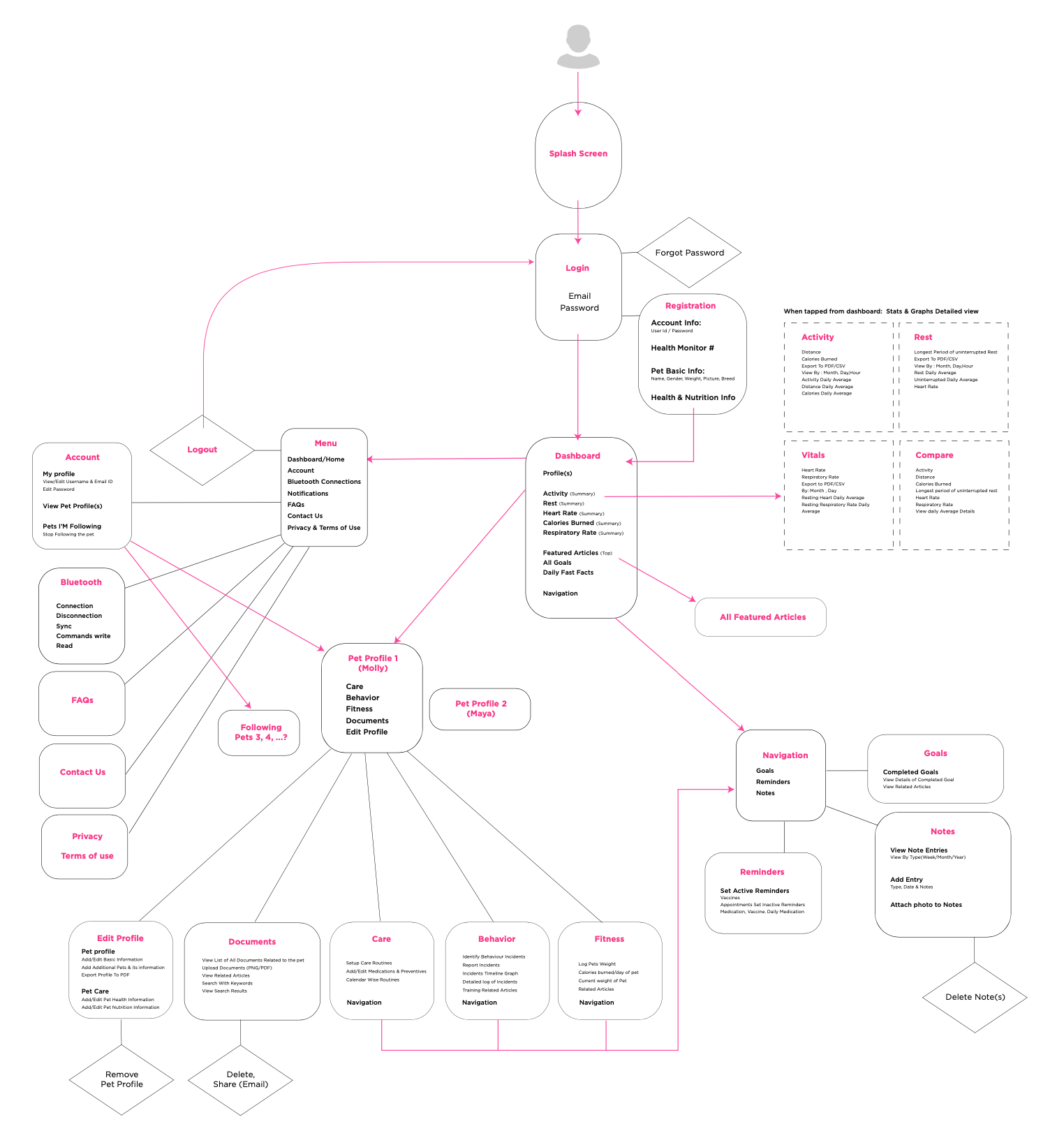
Information Architecture
I structured the app’s navigation and information flow to be intuitive and user-centric. Focusing on clear pathways ensured that the app delivered value effectively without overwhelming users.
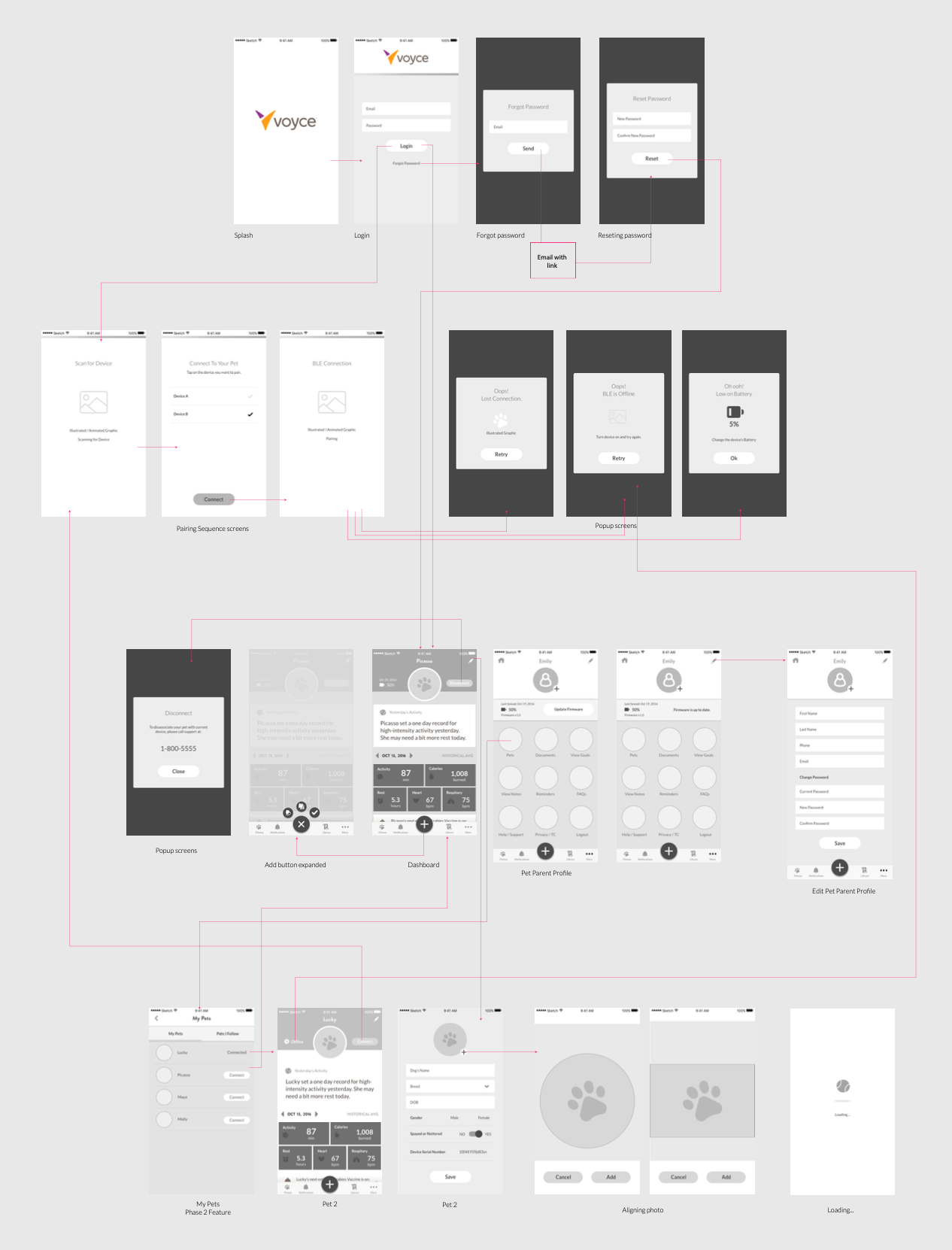
Wireframes and User Flow Validation
After validating core features and user flows, I started with low-fidelity wireframes to define patterns and uncover experience gaps. The wireframes served as a foundational blueprint, allowing for multiple rounds of design review and iteration. We refined interactions through these iterative sessions, progressing to high-fidelity layouts.
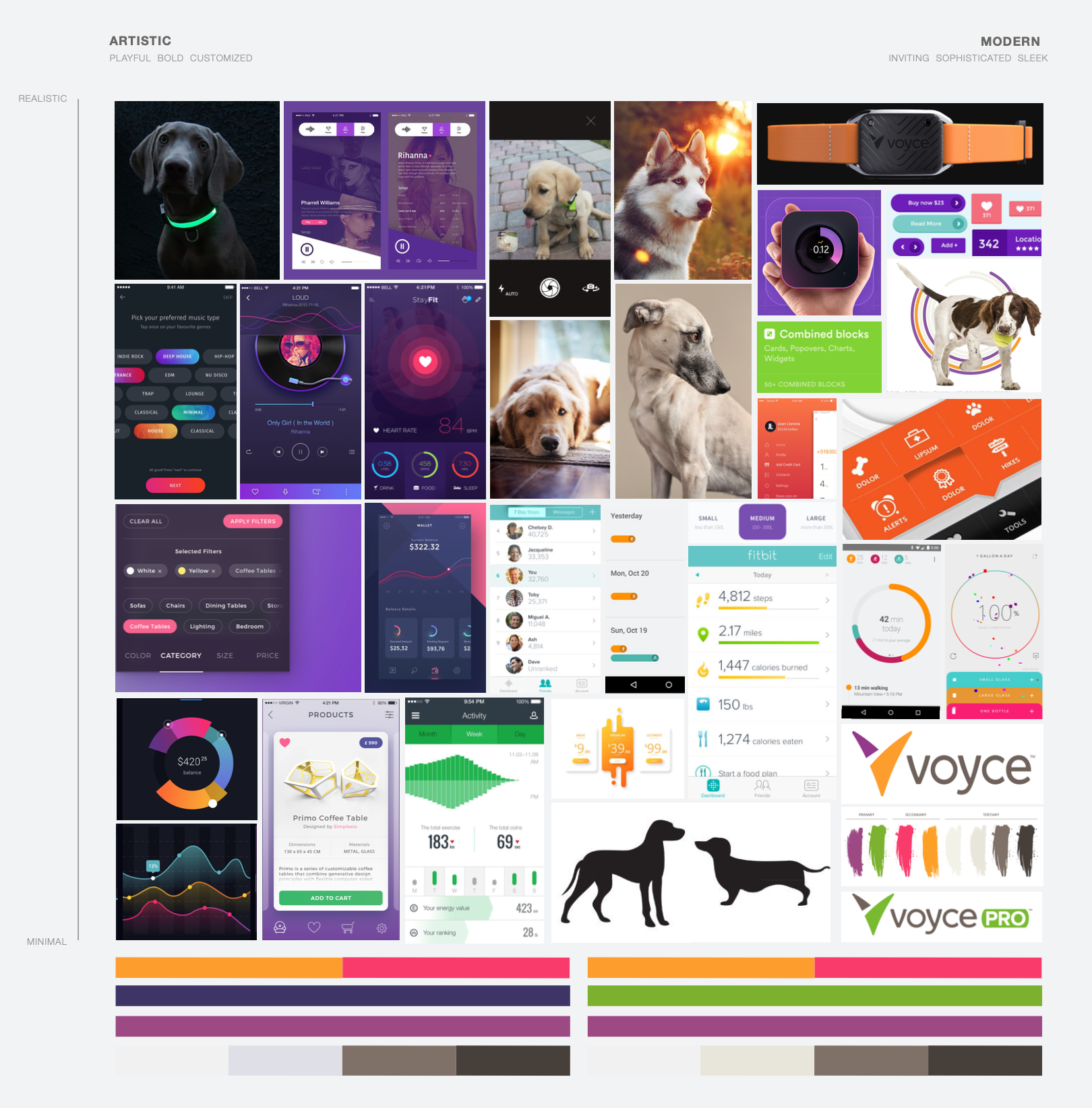
Visual Design
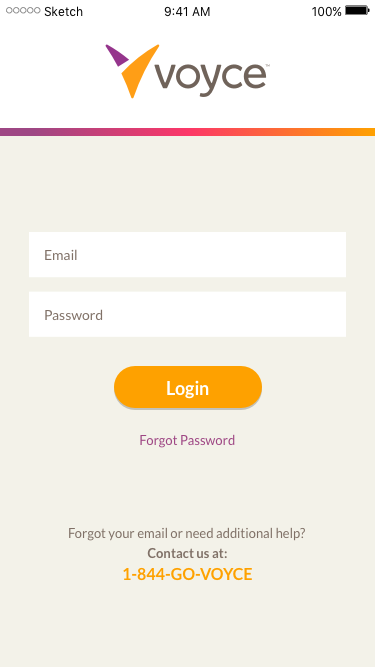
Once the wireframes received stakeholder approval, I developed a mood board to establish the visual direction, ensuring alignment with the brand’s aesthetic and tone. With an apparent visual strategy, I created high-fidelity designs that brought the app's functionality to life with a cohesive, engaging look.
Final Deliverables
Low-Fidelity Wireframes
Polished, high-fidelity applied design and prototype.
Product Roadmap with timeline and milestones for continued development and feature rollouts.
Key Takeaways
This project involved dynamic collaboration from ideation to execution, resulting in a well-structured, visually cohesive app that balances functionality with a seamless user experience.
Collaboration is Key: Early alignment with stakeholders and cross-functional teams allowed us to identify potential risks and address them proactively.
User-Centered Design: We designed an app that met business goals and resonated with its intended audience by keeping users at the forefront.
Future Vision: We established a flexible foundation that supports future features and iterations, allowing the product to evolve with user needs.
Work Samples